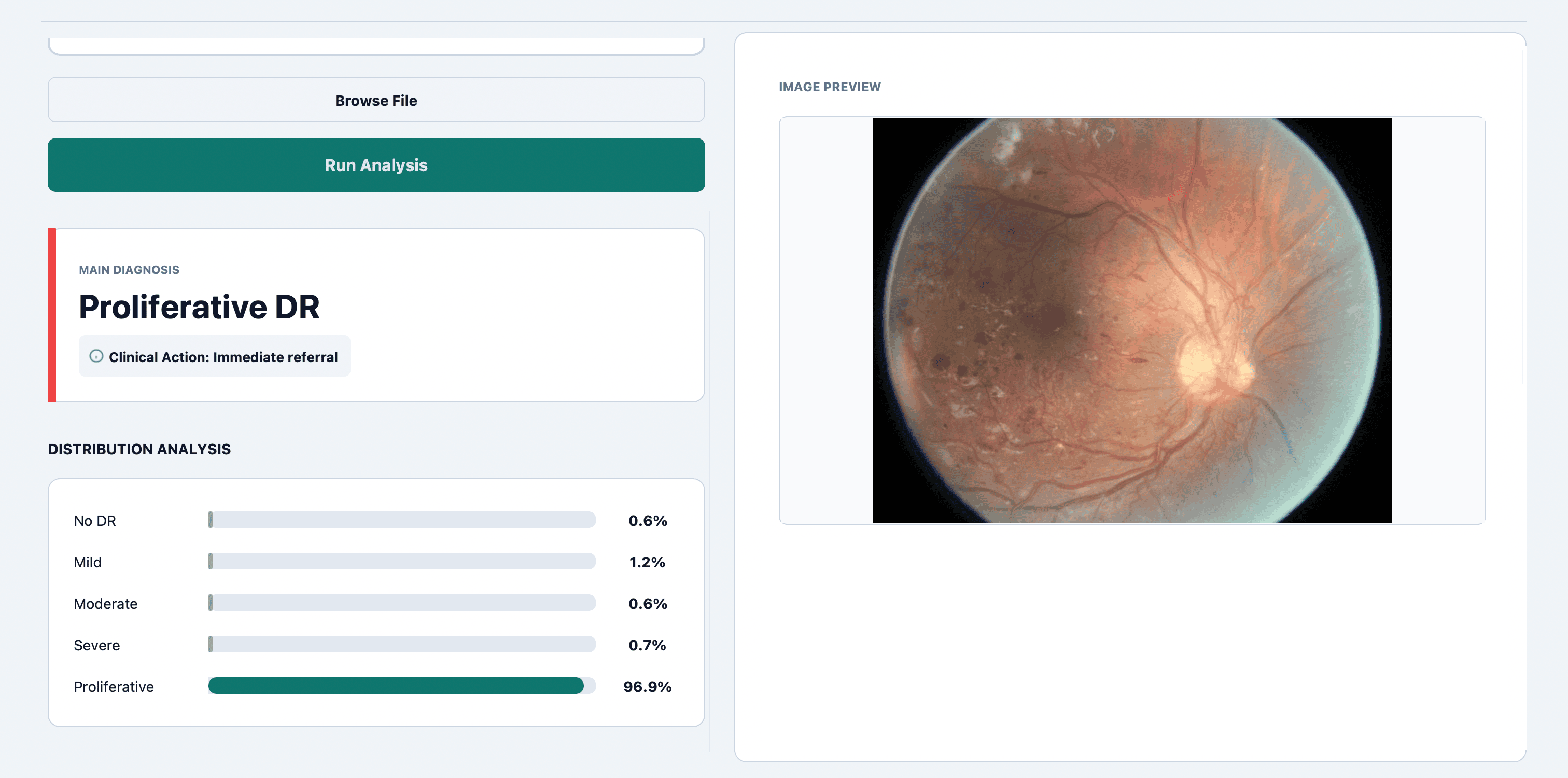
Empowering clinicians with a Hybrid Ensemble Model combining Swin-Base, EfficientNetV2-M, and ConvNeXt-Base. Accurately identify vascular abnormalities and grade severity in seconds.
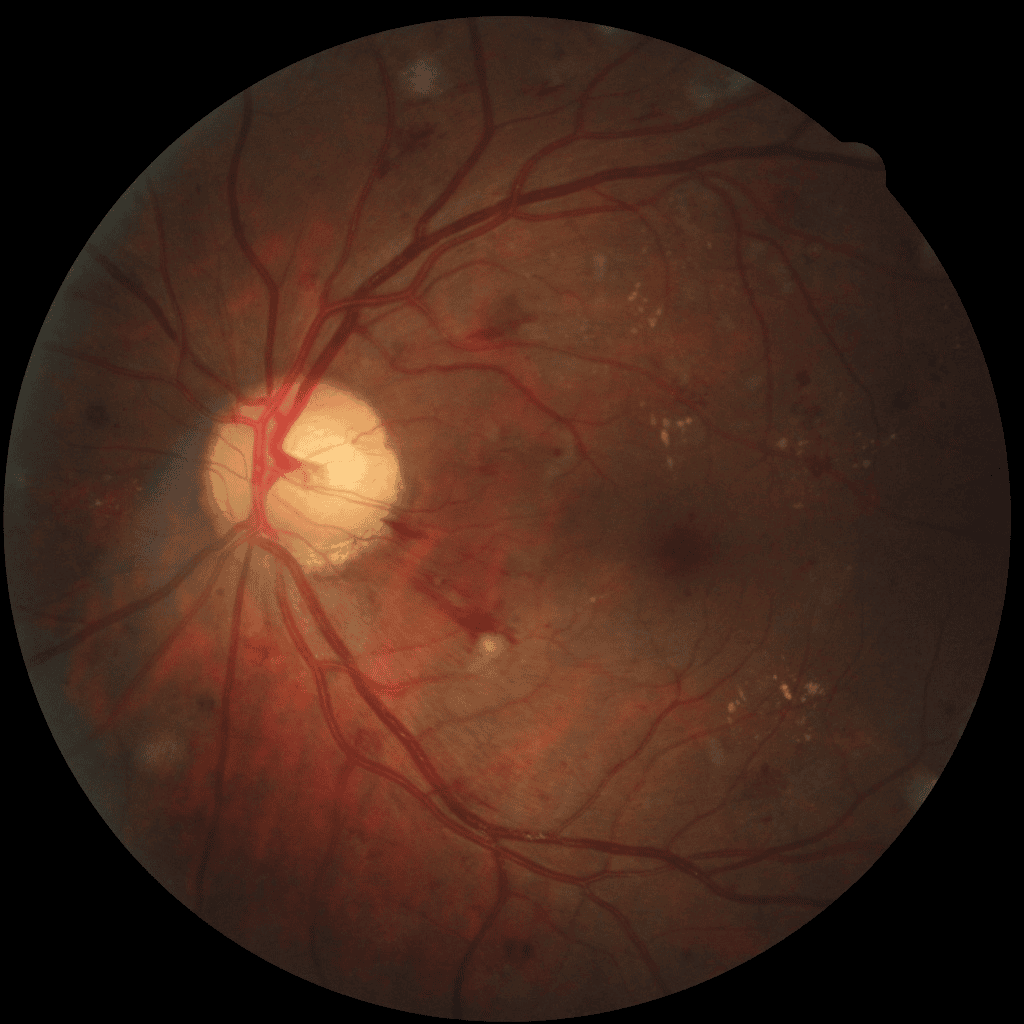
Millions of diabetic patients miss early detection windows due to limited specialist availability. Delayed diagnosis leads directly to irreversible blindness that could have been prevented.
Manual grading of fundus images is subjective and prone to human error. Subtle microaneurysms and early-stage lesions are frequently missed during high-volume screening sessions.
Our advanced desktop application brings specialist-level accuracy to any clinic, enabling early detection with unprecedented speed.
Lightning-fast processing powered by optimized FP16 inference.
Combines Swin-Base, EfficientNetV2-M, and ConvNeXt-Base for maximum reliability.
Our system provides detailed insights into fundus images to assist medical professionals in making informed decisions.
Automatically classifies images into No DR, Mild, Moderate, Severe, or Proliferative stages with high confidence scores. The ensemble model ensures robust predictions across varying image qualities.
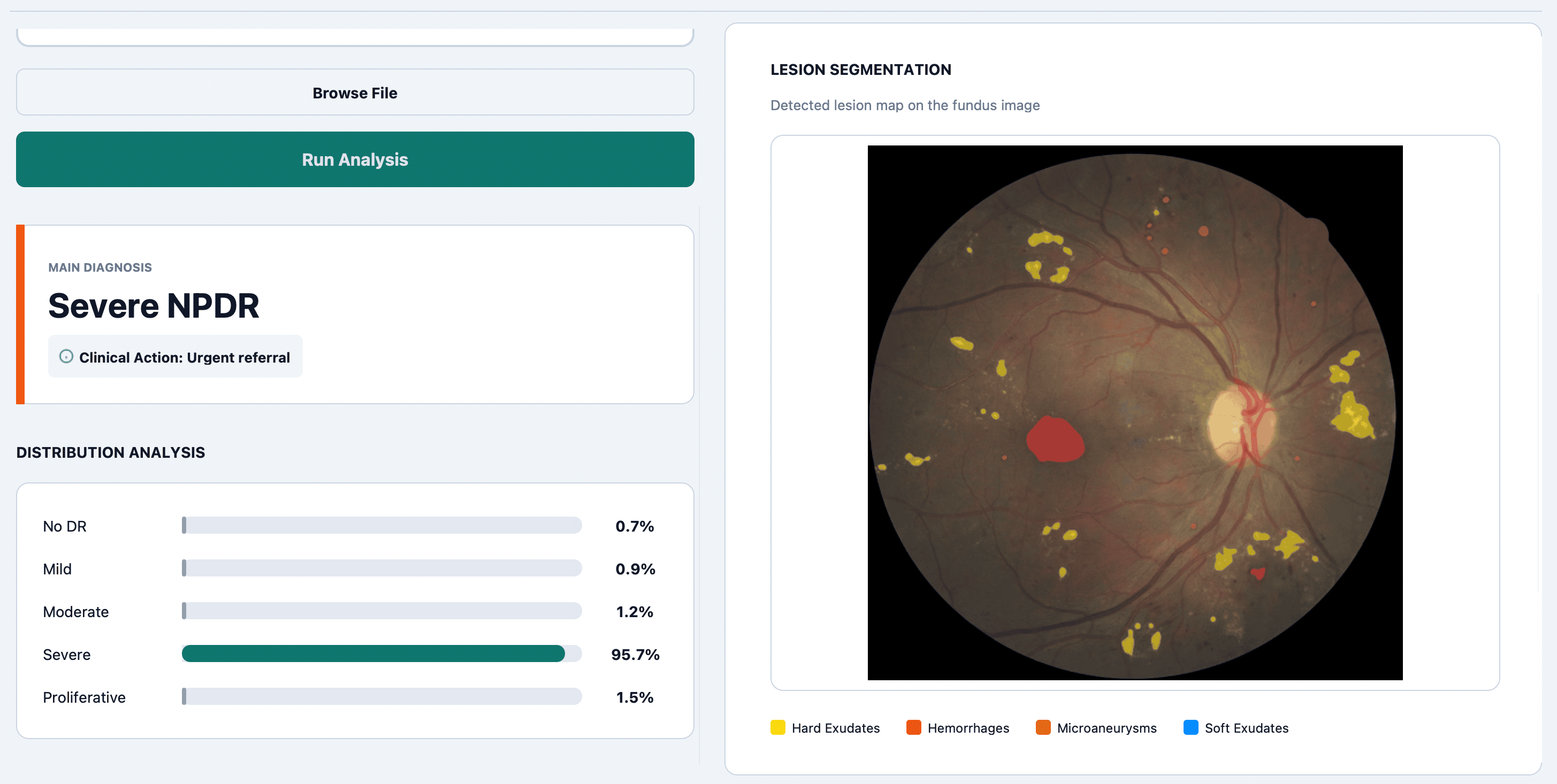
Precise pixel-level detection of Hard Exudates, Hemorrhages, Microaneurysms, and Soft Exudates mapped directly on the image. The system automatically masks the optic disc to eliminate false positives.
Provides immediate next steps based on diagnosis, ranging from routine screening to urgent specialist referrals. Streamline patient triage and reduce the burden on specialized ophthalmology departments.
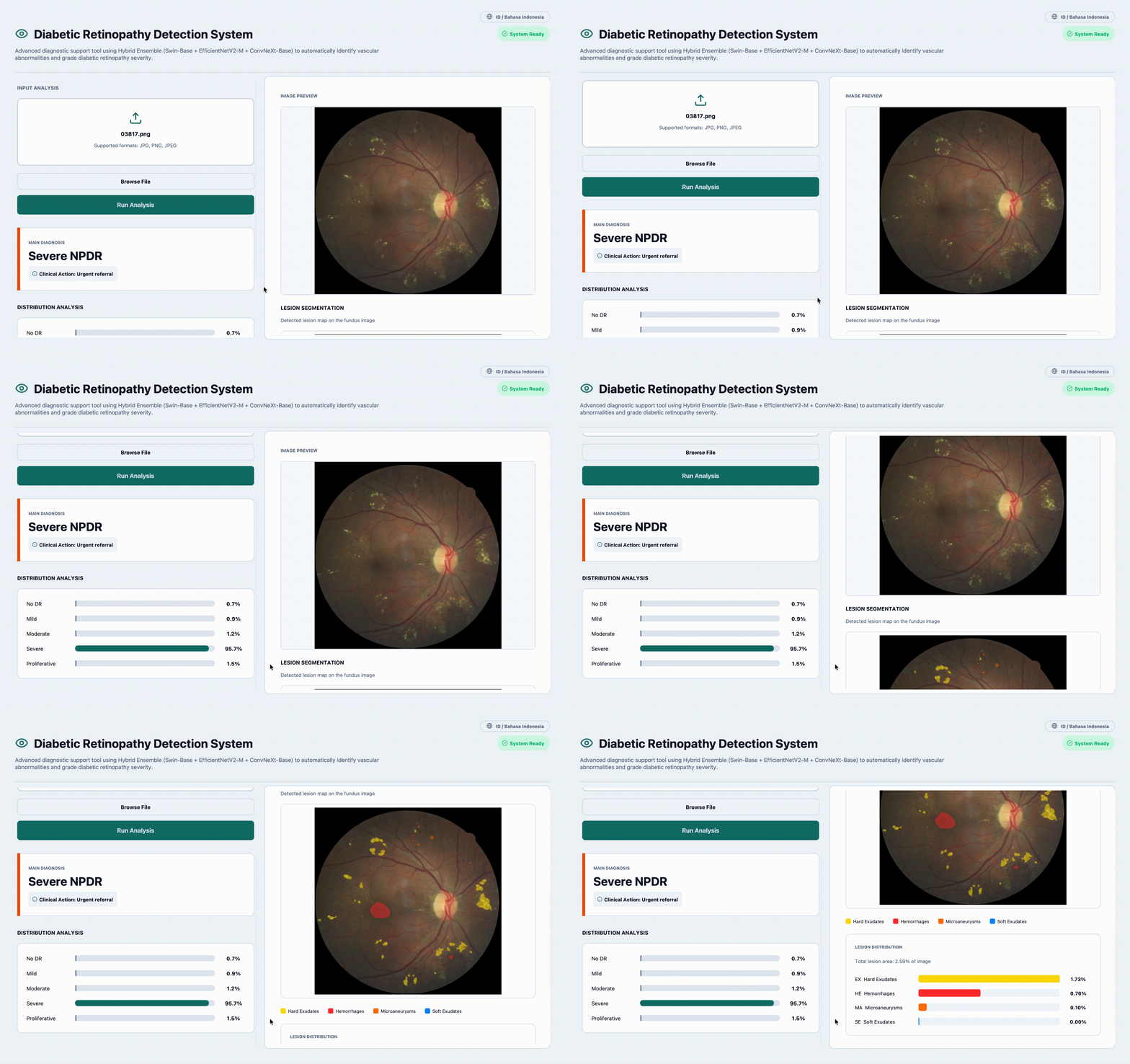
Our fully-portable desktop solution can be used anywhere. The simple screening process takes less than a minute per patient.
Upload a high-resolution fundus image into the desktop application.
The Hybrid Ensemble AI instantly processes the image to identify vascular abnormalities.
U-Net++ architecture maps lesions at the pixel level, excluding the optic disc.
Receive a 5-level severity grade and clear clinical action recommendations.
Designed specifically for medical environments. The interface minimizes distractions, focusing entirely on the fundus image analysis and clear diagnostic outputs.
Aetheris AI Diagnostics is designed to adapt to various clinical environments, providing scalable solutions for diverse healthcare needs.
Offer an affordable service for patients with results they can rely on. Increase diagnostic confidence without requiring specialized on-site staff.
Reduce wasted expenditure and improve positive detection rates. Efficiently screen large populations to identify high-risk individuals early.
Add more value to clients with improved service offerings and immediate referrals. Expand your practice's capabilities seamlessly.
Improve impact with broader reach, lower costs, and increased accuracy. Provide specialist-level screening in remote areas without requiring an ophthalmologist.
Our AI model uses a state-of-the-art Hybrid Ensemble architecture to identify patterns uniquely associated with Diabetic Retinopathy. It surpasses traditional single-model approaches in both sensitivity and specificity.
Validated on diverse clinical datasets to ensure reliable performance across different patient demographics.
No. The system functions completely offline as a native desktop application. All AI models run locally on your hardware, ensuring complete patient data privacy.
The segmentation model specifically identifies and maps Hard Exudates, Hemorrhages, Microaneurysms, and Soft Exudates. It also automatically detects and excludes the optic disc to prevent false positives.
Yes. The application is designed to run efficiently on standard Windows, macOS, or Linux desktop computers. It utilizes FP16 optimization to maintain speed without requiring high-end GPUs.
Get in Touch
Reach out via WhatsApp to schedule a live demo, ask technical questions, or discuss deployment at your facility.